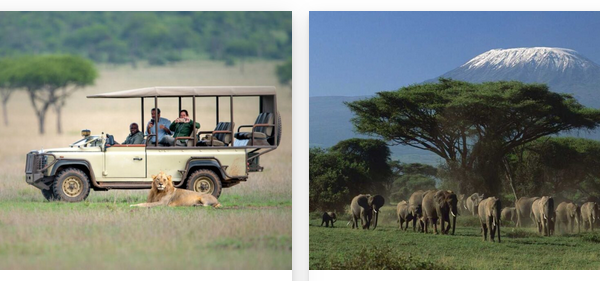
A safari during the short rainy season in Kenya is quite a different experience from one in the dry months, the short rains generally fall during October and December, which causes landscapes to spring to life, bringing intense green colours and amazing dramatic skies. Some tourists shy away from safari during the short rainy season, but if you’re an avid wildlife photographer or a passionate safari enthusiast, the short rains will endow you with a good chance to find the animals, take their pictures and enjoy a quiet safari. Coming prepared will help you enjoy the grandeur of nature in Kenya without getting worried about the occasional rain.
So what are Kenya’s Short Rains?
The short rains season in Kenya usually begins towards the end of the year. These are typically brief, irregular and erratic showers as opposed to rain that lasts for extended periods. There can be a sunny morning, followed by a shower of rain, before the sun returns.
The rain varies from region to region, so conditions in the Maasai Mara are not necessarily the same as in other safari destinations. For visitors, this translates to thinking about “safari” in the context of rain instead of “no safari.”
The land grows luxuriant and green
The one thing which is readily visible during a Kenya safari in the short rains is the change in the landscape. Once the dry period, rain falls and new grass, greener bushes and green vegetation are seen.
This makes for stunning views for visitors and photographers. The dark clouds can create stunning shots as can the golden sunshine, green fields and the occasional rain shower. After rain the landscape often seems quite new.
These variable conditions can provide opportunities for the more photography minded that can be less available during dry conditions.
What About Wildlife?
Safaris with the short rains are not complete without wildlife viewing. Animals resume normal activities but perhaps altered behavior with increased access to water and fresh plants.
The herbivores may spread out over the greener spaces, and the predators may follow the prey. The elephants, giraffes, zebras, antelopes, lions and many other animals can still be spotted on game drives.
Sometimes it is more difficult to locate animals since they may not be clustered around a narrow water supply. This is where an experienced guide really comes into his or her own. Local knowledge assists guides to understand animal behaviour, and select appropriate routes based on conditions.
Is it possible for rain to influence game drives?
Sometimes safari tracks get wet in the rain, especially after heavy rain. It may be difficult to move around on some routes and your driver may take a different route due to safety and comfort.
Short rains, however, don’t necessarily mean game drives are canceled when it’s cloudy. Many times showers are of short duration and the safari continues.
Take your trip with a safari guide who is experienced with the area and all of its conditions, who will follow the weather, and who understands where the animals tend to go, so that he or she can take the variations as an opportunity to give a lesson, and not as a headache.
Have fewer crowds and enjoy a better experience!
Another benefit of travelling during the short rains is that there will be less tourists. Some places are quieter than they are during the peak of the safari season.
The less vehicles around the wildlife sightings, the more relaxed that experience will be. If you have more time to watch animals, this can be beneficial for photographers and travellers going on their first safari.
The more relaxed environment also makes it possible to enjoy the music, scenery and little things of the African wilderness.
What to Bring?
It’s not that difficult to pack for a short-rain safari. Lightweight, breathable clothes are still a good idea, but a couple of additional items to your list for the rain.
Very light, waterproof jackets, walking or safari shoes or boots, light quick-drying clothes and a little waterproof bag for your equipment. If you’re an avid wildlife photographer then a camera cover may be a helpful addition as well.
Layering is recommended as mornings and evenings are cool and the day time temperatures can be warm. You should also take some precautions against the sunlight in case it is a rainy day.
Reasons to Book Reteti Safaris?
Select the best safari operator for the job. Of course, there is always the chance that the weather and road conditions may be less than ideal when you travel in certain seasons. When you travel with Reteti Safaris, a small safari company, you get some peace of mind because they plan their trips carefully, help you see Kenya in comfort, and make the most of local wildlife and changing seasons, with experienced guides and a focus on the details that make the safari fun.
Should you go on a Short-Rain Safari?
Absolutely. The weather on a Kenya safari in the short rains can be more unpredictable than you can imagine, but this is what makes it so great. The various landscapes, the dramatic skies, the few crowds and the changing wildlife can make it very rewarding.
Don’t let it rain deter you from travelling to Kenya – it’s a chance to travel to Kenya at another time of the year. Occasional showers can be a memorable experience, if you are well prepared and have an experienced safari team.
Reteti Safari’s aim is to make people experience Kenya in a different way. A short-rain safari can offer a glimpse into Kenya’s less likely pastimes from wildlife spotting, to landscapes shifting to quiet moments in the wilderness.
The best safari experience can sometimes start when the clouds come in.